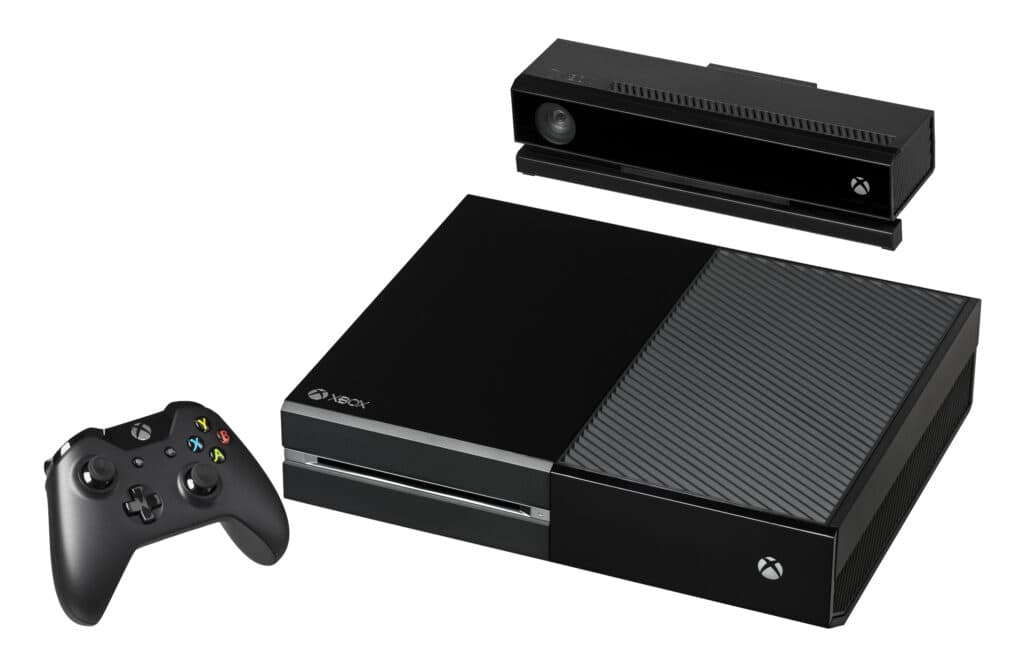
The Xbox One relies on an internal hard drive to store games, apps, and system files. When that hard drive starts to fail, you may notice performance issues, errors, or even complete system failure. Recognizing the early warning signs can help you decide whether the drive can be fixed or needs to be replaced.
Below are the most common Xbox One bad hard drive symptoms, what they mean, and what you can do next.
Common Symptoms of a Failing Xbox One Hard Drive
1. Extremely Long Load Times
If games or apps take much longer than usual to load, or if loading screens seem to freeze, your hard drive may be struggling to read data.
What it indicates:
- Bad sectors on the drive
- Slow or failing read/write performance
2. Games and Apps Fail to Launch
You may see games stuck on the splash screen, crash during startup, or refuse to open entirely.
Common error messages include:
- “Took too long to start”
- “Something went wrong”
- Random crashes back to the dashboard
3. Frequent Freezing or System Crashes
A failing hard drive can cause:
- Freezing during gameplay
- Sudden restarts
- Black screens followed by crashes
These issues often worsen over time.
4. Xbox One Stuck on Startup Screen
One of the clearest signs of a bad hard drive is when the console:
- Gets stuck on the green Xbox logo screen
- Loops endlessly during startup
- Fails to boot into the dashboard
This usually means the system files cannot be read correctly.
5. Corrupted or Missing Game Data
If games need to be reinstalled frequently or saved data becomes corrupted, the hard drive may be unable to store data reliably.
Signs include:
- Games uninstalling themselves
- Updates failing repeatedly
- Save files disappearing
6. System Update Errors
Hard drive issues can interrupt system updates, causing error codes such as:
- E101
- E102
- E105
- E106
These errors often appear during startup or after an update attempt and commonly point to storage failure.
7. Clicking or Unusual Noises
Traditional Xbox One models use mechanical hard drives. If you hear:
- Clicking
- Grinding
- Repetitive ticking
These sounds can indicate physical damage inside the drive.
⚠️ Note: Xbox One S and Xbox One X still use HDDs unless you’ve installed an SSD replacement.
Can a Bad Xbox One Hard Drive Be Fixed?
Temporary Fixes (May Not Last)
- Power cycle the console
- Factory reset (keep games & apps if possible)
- Offline system update (OSU) using a USB drive
These methods may help if the issue is software-related, but they won’t fix physical drive damage.
When You Should Replace the Hard Drive
You should consider replacing the hard drive if:
- Startup errors keep returning
- The console won’t boot
- Games constantly crash or fail to install
Replacing the drive is often cheaper than buying a new console.
Upgrading to an SSD: A Smart Alternative
Many Xbox One owners choose to replace the internal HDD with a 2.5-inch SATA SSD. Benefits include:
- Faster load times
- Improved system stability
- Reduced noise and heat
After installation, you’ll need to reinstall the Xbox OS using Microsoft’s offline update files.
Final Thoughts
A failing hard drive is one of the most common hardware problems with the Xbox One. Symptoms like slow load times, startup errors, frequent crashes, and corrupted data are strong indicators that the drive is going bad.
If basic troubleshooting doesn’t solve the issue, replacing the hard drive—especially with an SSD—can breathe new life into your console and extend its lifespan.