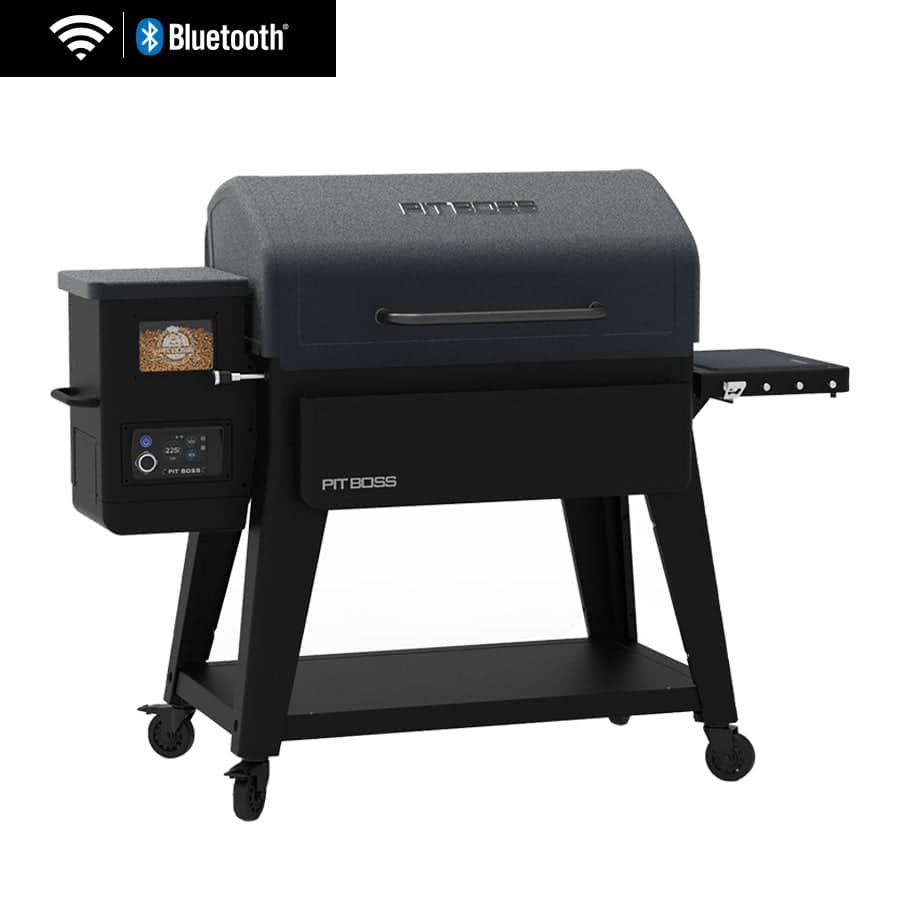
A Pit Boss grill not heating up can ruin your barbecue plans. The most common causes are a faulty hot rod, empty hopper, or clogged firepot. These issues can often be fixed at home with some basic troubleshooting.
Before you call customer service, check a few simple things. Make sure your grill is plugged in and the hopper has enough pellets. Clean out any ash or debris from the firepot. These quick fixes might get your grill fired up and ready to cook.
If basic checks don’t work, you may need to replace parts. A bad hot rod is a frequent culprit. You can test this by placing your hand over the firepot to feel for heat. Other possible issues include a worn-out burn pot or problems with the control board.
| Common Pit Boss Heating Issues | Possible Solutions |
|---|---|
| Empty hopper | Refill with pellets |
| Clogged firepot | Clean out ash and debris |
| Faulty hot rod | Replace ignitor |
| Corroded burn pot | Inspect and replace if needed |
| Control board malfunction | Check connections or replace |
Understanding Pit Boss Grill Temperature Control
Pit Boss grills use several key components to regulate heat. These parts work together to maintain your desired cooking temperature.
Components
The temperature probe is crucial for monitoring grill heat. It sends data to the control panel, which adjusts the pellet feed rate. The RTD probe provides additional temperature readings for precise control.
The combustion fan supplies oxygen to the fire pot. It helps ignite pellets and circulates hot air. Adjusting fan speed impacts temperature.
The flame broiler lets you switch between indirect and direct heat cooking. It slides to expose or cover the fire pot.
Table: Key Pit Boss Grill Components
| Component | Function |
|---|---|
| Temperature Probe | Monitors grill temp |
| Control Panel | Adjusts pellet feed |
| RTD Probe | Provides backup temp readings |
| Combustion Fan | Supplies oxygen, circulates heat |
| Flame Broiler | Switches cooking methods |
How Temperature is Regulated
The control panel is the brain of temperature regulation. It uses input from the probes to adjust pellet feed and fan speed.
When temps drop, more pellets are added. The fan increases to boost the fire. As heat rises, pellet feed slows and the fan reduces.
This cycle repeats constantly. It aims to keep temperatures steady. But fluctuations can occur due to various factors.
Wind, outside temps, and lid opening affect stability. Using quality pellets and proper grill maintenance help minimize swings.
The “P” setting on some models fine-tunes the pellet feed cycle. Lower settings add heat faster. Higher values slow the feed for better smoke.
Common Heating Issues and Troubleshooting
Pit Boss grills may encounter heating problems due to various factors. These issues can often be resolved through proper diagnosis and maintenance.
Ignition Failure
Ignition failure is a common issue that prevents your Pit Boss grill from heating up. This problem often stems from a faulty hot rod or igniter. Check if the hot rod glows red when you start the grill. If not, it may need replacement.
Ensure the firepot is clean and free of ash buildup. Excess ash can prevent proper ignition. Empty the ash regularly to maintain optimal performance.
Verify that your grill is plugged into a working outlet. A loose connection or tripped circuit breaker can cause ignition failure.
Malfunctioning Combustion Fan
The combustion fan plays a crucial role in heating your Pit Boss grill. If it’s not working correctly, your grill won’t reach the desired temperature.
Listen for the fan when you start the grill. If you don’t hear it running, check the wiring connections. Loose or damaged wires can prevent the fan from operating.
Clean the fan blades regularly to remove grease and debris. This buildup can reduce fan efficiency and impact heating performance.
If the fan still doesn’t work after checking connections and cleaning, it may need replacement.
Auger Jams and Delays
The auger feeds pellets into the firepot. If it jams or delays, your grill won’t receive enough fuel to maintain proper heat.
Check for pellet blockages in the hopper and auger tube. Remove any obstructions to ensure smooth pellet flow.
Inspect the auger motor. If it’s not turning, it may be faulty and require replacement.
Use high-quality pellets to prevent jams. Low-quality pellets can break down and cause blockages in the auger system.
| Issue | Possible Cause | Solution |
|---|---|---|
| Auger Jam | Pellet blockage | Clear obstruction |
| Auger Delay | Faulty motor | Replace motor |
| Poor Pellet Quality | Low-grade pellets | Use premium pellets |
Corroded or Dirty Burn Pot
A corroded or dirty burn pot can significantly impact your grill’s heating performance. Regular cleaning is essential for optimal operation.
Remove ash and debris from the burn pot after each use. Built-up ash can block airflow and prevent proper combustion.
Inspect the burn pot for signs of corrosion. Severe corrosion may require burn pot replacement.
Ensure the air holes in the burn pot are clear. Blocked holes can restrict airflow and affect heating efficiency.
Clean the temperature probe inside the grill. A dirty probe can lead to inaccurate temperature readings and heating issues.
Maintenance for Optimal Performance
Regular upkeep of your Pit Boss grill ensures it heats up properly and performs at its best. Proper cleaning and preventive measures can solve many common heating issues.
Cleaning and Care
Start by cleaning the grill after each use. Remove excess ash from the burn pot and firepot. Use a grill brush to scrub the cooking grates. Clean the temperature probe to ensure accurate readings.
Empty the grease bucket regularly. Wipe down the exterior with warm soapy water. For stubborn stains on stainless steel parts, use a specialized cleaner.
Check the chimney cap and clean any debris. Inspect the fan blades and remove any build-up. Clean the auger tube to prevent pellet jams.
Preventive Measures
Cover your grill when not in use to protect it from the elements. Store pellets in a dry place to prevent moisture absorption. Replace the gasket if it shows signs of wear.
Lubricate moving parts like the auger and fan motor yearly. Check electrical connections for corrosion. Tighten any loose screws or bolts.
Use high-quality hardwood pellets to reduce ash build-up. Avoid leaving unused pellets in the hopper for extended periods.
| Maintenance Task | Frequency |
|---|---|
| Clean grates | After each use |
| Empty ash | Every 5-6 cooks |
| Grease bucket | When half full |
| Deep clean | 2-3 times/year |
Perform a test run after maintenance to ensure proper heating. Address any issues promptly to prevent further damage.
Environmental Factors Affecting Grill Performance
Weather conditions and temperature fluctuations can significantly impact your Pit Boss grill’s performance. Understanding these factors helps you adapt your grilling techniques for consistent results.
Impact of Weather
Wind and cold temperatures often cause temperature issues with Pit Boss grills. Strong winds can quickly dissipate heat, making it harder for your grill to maintain the desired temperature. Cold air also forces the grill to work harder to reach and sustain cooking temperatures.
Humidity affects pellet combustion efficiency. High humidity may cause pellets to absorb moisture, leading to inconsistent burning and temperature fluctuations. Consider storing pellets in a dry place to mitigate this issue.
Altitude can also influence grill performance. At higher elevations, the thinner air affects combustion, potentially altering cooking times and temperatures.
Adjusting to Temperature Swings
To combat temperature swings, you can take several steps:
- Use a grill blanket in cold weather to insulate the cooking chamber.
- Position your grill in a sheltered area to minimize wind exposure.
- Preheat your grill longer in cold conditions.
- Monitor internal grill temperatures closely with a reliable thermometer.
| Weather Condition | Adjustment |
|---|---|
| Cold | Increase preheat time |
| Windy | Use windbreaks |
| Humid | Store pellets properly |
| High Altitude | Adjust cooking times |
By anticipating these environmental factors, you can make necessary adjustments to maintain consistent temperatures and achieve better grilling results.
Frequently Asked Questions
Pit Boss grill heating issues can stem from various factors. Understanding common problems and their solutions helps you quickly get back to grilling.
How can I troubleshoot a Pit Boss grill that is not reaching the desired temperature?
Check the burn pot for corrosion or holes. These allow heat to escape. Inspect the heat deflector and flame tamer for proper positioning.
Ensure your pellets are dry and of good quality. Wet or low-quality pellets can affect temperature control.
What steps should I take to reset my Pit Boss smoker when it is not heating up?
Unplug the grill and wait 5 minutes. This allows internal components to reset. Plug it back in and restart following the manufacturer’s instructions.
Clean out the firepot and ensure the fan is working properly before restarting.
What does the blinking IT light indicate on a Pit Boss grill?
A blinking IT (ignition timeout) light usually means the grill failed to ignite. Check for pellet blockages in the auger or firepot.
Ensure the hot rod is functioning correctly. A faulty hot rod can prevent proper ignition.
Where can I find the error code definitions for my Pit Boss grill?
Consult your Pit Boss grill manual for a list of error codes and their meanings. You can also find this information on the official Pit Boss website.
Keep the manual handy for quick reference when troubleshooting.
What common issues can cause a Pit Boss pellet grill to fail to heat up?
Empty hopper, wet pellets, or a clogged auger can prevent proper heating. Check these components first.
A faulty temperature probe or control board may also cause heating issues. These might require professional repair.
How do I resolve an igniter malfunction in a Pit Boss grill?
First, clean the igniter rod and ensure it’s properly positioned. Remove any ash or debris buildup.
If cleaning doesn’t work, the igniter may need replacement. Contact Pit Boss customer support for guidance on parts and repair.
| Common Issue | Quick Fix |
|---|---|
| Empty hopper | Refill with dry pellets |
| Clogged auger | Clear blockage, run empty cycle |
| Faulty igniter | Clean or replace |
| Wet pellets | Replace with dry pellets |
| Corrosion in burn pot | Clean or replace if severe |